The Horrors of the Past: Biasman's Sinister Mission
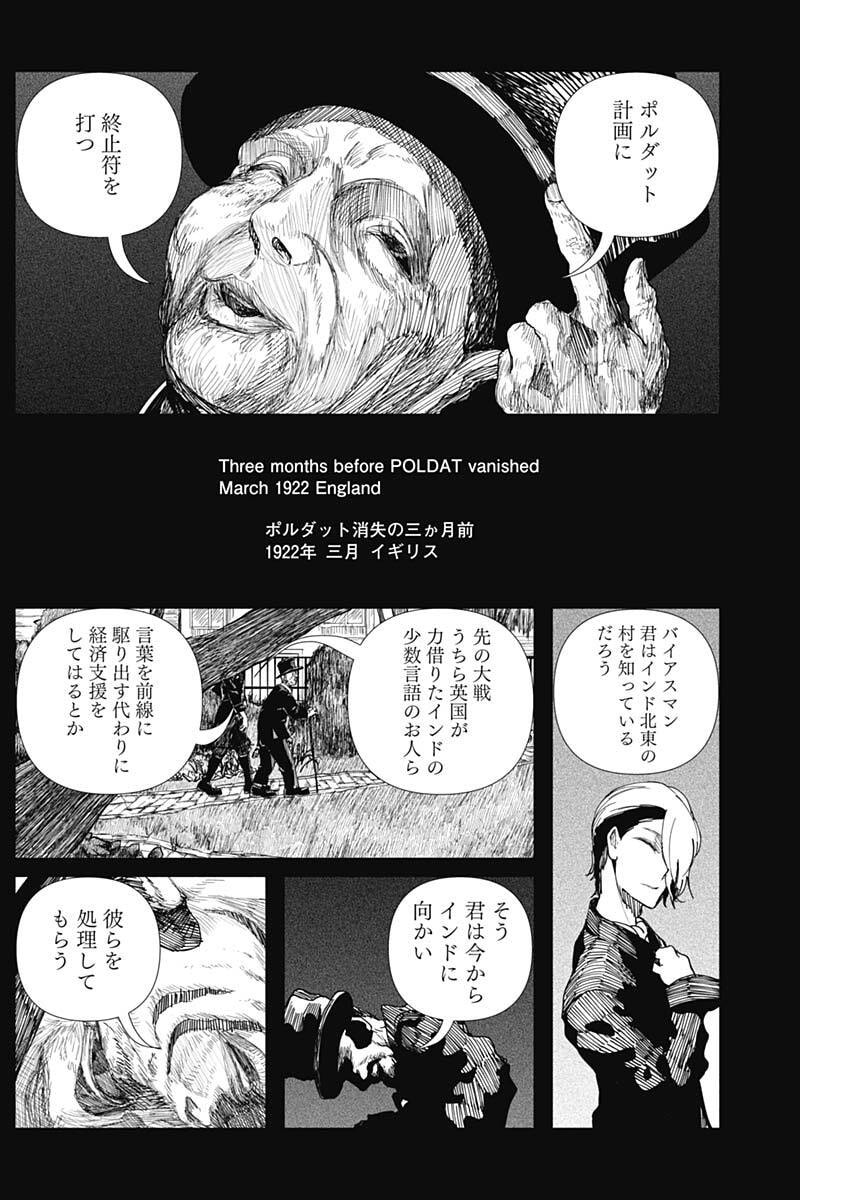
Chapter 34 of ENIGMATICA takes a devastating dive into the historical roots of the series' central mystery. Shifting between 1922 England and a tense 'present' dialogue, this chapter reveals the cold, calculated nature of the antagonist's goals. We are introduced to the Biasman, a man tasked with infiltrating a remote matriarchal village in northeast India. Under the guise of a flower seller offering help to the impoverished, Biasman implements a plan of biological subversion.
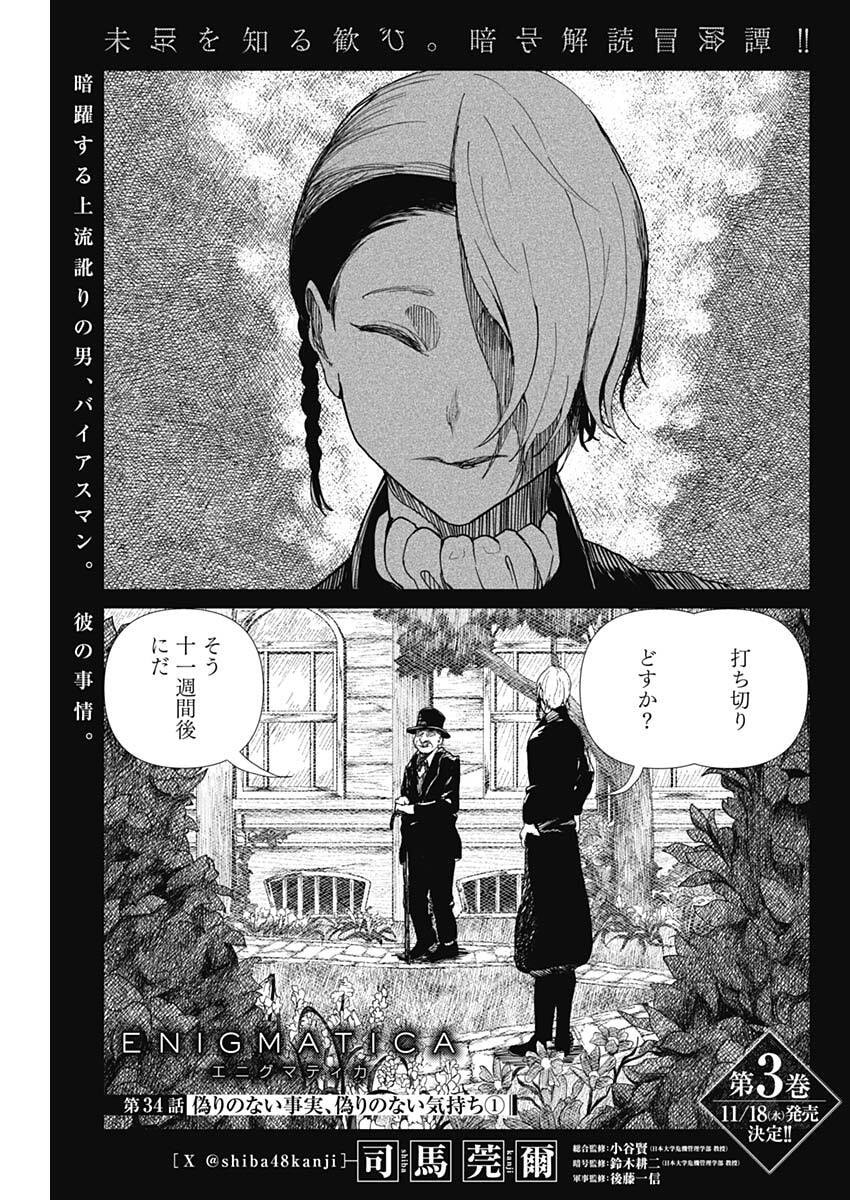
The revelation is stomach-churning: Biasman didn't just infiltrate the village; he used his own body as a weapon. Suffering from syphilis, he intentionally spread the disease to manipulate the village's genetic pool. The goal was not conquest through force, but the through the creation of a puppet population—children with 'influential' British bloodlines to ensure long-term political control. This blend of colonialist disdain and biological warfare transforms the chapter into a gripping, albeit grim, critique of British imperialism.
The Price of Power: Decay and Disdain
The scene shifts to a luxurious interior where an older, bandaged man—the puppet master of these events—is confronted by the younger Elliott. The dialogue here is a stark contrast between Elliott's naive desire to 'save' the villagers and the older man's ruthless pragmatism. To the older man, the villagers are merely resources to be managed or discarded, referring to Elliott's attempts at charity as 'charity for foam'—something fleeting and worthless.
The most poignant visual metaphor occurs when the older man removes his bandages, revealing the scarring and physical decay caused by the posibilidades of the very disease he used as a weapon. It is a powerful statement on the inevitable consequence of one's own cruelty: the pursuit of power has literally and figuratively consumed him.
A Bleak Conclusion: The Logic of the Human World
The chapter closes with a sequence of surreal, nightmarish imagery. Following a burst of violent power, we are left with a weary man with blood trickling from his nose, holding a lantern in the dark. His final monologue is a dripping with disdain, mocking those who 'chase the carrot' and telling them to gaze at the dead faces of their children and weep.
The closing text, 'The logic of the human world. It sometimes runs counter to the human heart,' perfectly encapsulates the theme of the chapter. Chapter 34 is not just about plot progression, but a deep exploration of the same conflict between cold, strategic logic and human empathy. As we move toward the 'Boltard Text War,' the stakes have shifted from mystery to a visceral, tragic reality.