The Weight of Medical Training
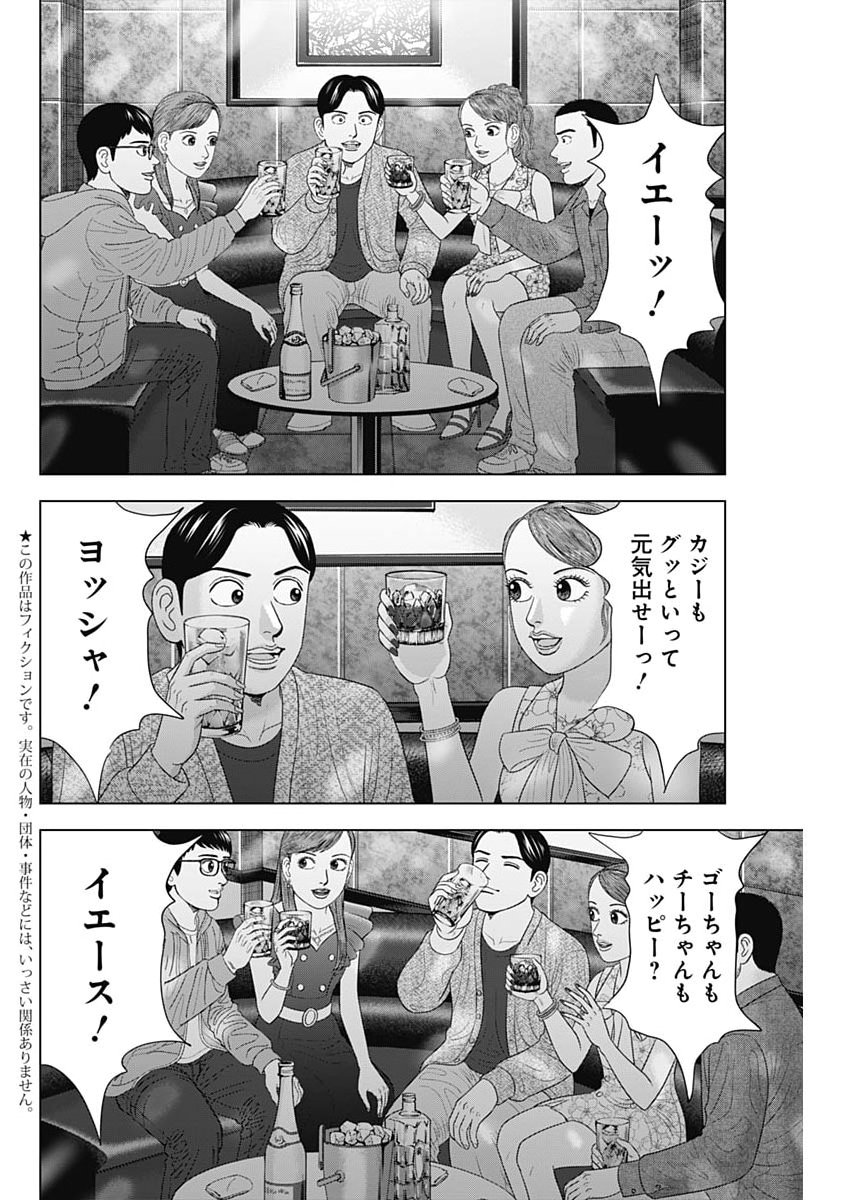
In Chapter 125 of Dr. Eggs, we witness a poignant look at the psychological toll of medical training in Japan. The chapter opens with medical students, including the protagonist En, grappling with the overwhelming pressure of their studies and the industry's systemic hardships. The shift from a dimly lit bar, where students vent their stress, to the bright, sterile environment of the hospital, symbolizes a transition from cynical resignation to a newfound professional resolve.

Dermatology: More Than Just Skin Deep
A pivotal moment occurs during a clinical rotation in the Dermatology department. Professor Tanemoto delivers a powerful lecture that shatters the common misconception that dermatology is a "soft" specialty. By presenting severe conditions like necrotizing fasciitis, the professor emphasizes that dermatologists must often act quickly to save lives. More than just treating physical ailments, the narrative highlights the importance of restoring a patient's Quality of Life (QOL) and psychological well-being.
The Moral Dilemma: Healing vs. Profit
Professor Tanemoto issues a stern warning to the students: do not enter the field of dermatology solely for the pursuit of lucrative cosmetic medicine. While acknowledging that aesthetic medicine is a valid path, he urges the students to prioritize a genuine will to heal and save lives over monetary gain. This challenge strikes a chord with En, who reflects on his own internal conflicts and realizes that dermatology offers a unique and vital way to contribute to medicine.
The Shift Toward Aesthetic Medicine and "Chobi"
The chapter further explores the professional landscapes of the doctors, focusing on the conversation between students like Nakai and others about their future career paths. The discussion introduces the "Chobi" phenomenon—residents moving directly into aesthetic medicine to escape the grueling work environments of traditional hospitals. The manga presents a systemic critique of the Japanese medical field, where long hours, high pressure, and low compensation drive talented young doctors toward private practice.
A Changing Medical Labor Economy
The story concludes with a reflection on the labor economy for doctors. Through the discussions of former colleagues like Dr. Yamaguchi, the characters analyze how part-time (arubaito) work in dermatology can be more lucrative and less stressful than full-time hospital employment. This shift highlights a generational divide and the contrast between the older generation's corporate-sponsored luxury and the younger generation's priority on financial stability and quality of life.
Final Thoughts
Chapter 125 of Dr. Eggs serves as a turning point for En and the students, balancing the idea of the pursuit of medical ethics against the cold reality of economic survival. It provides a realistic and somewhat cynical look at the medical industry, making the reader question the balance between professional duty and personal well-being.